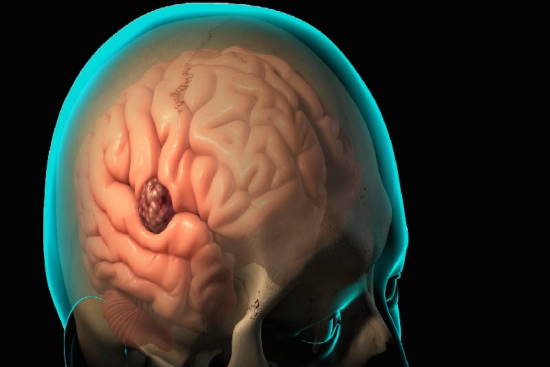
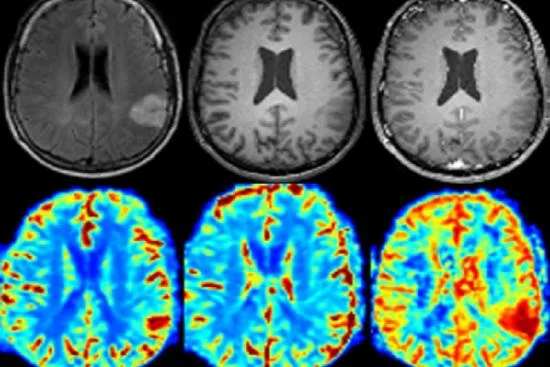
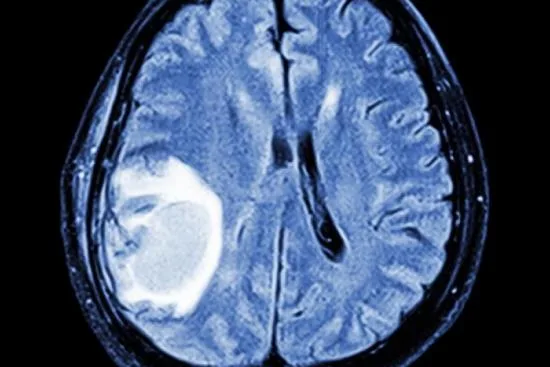
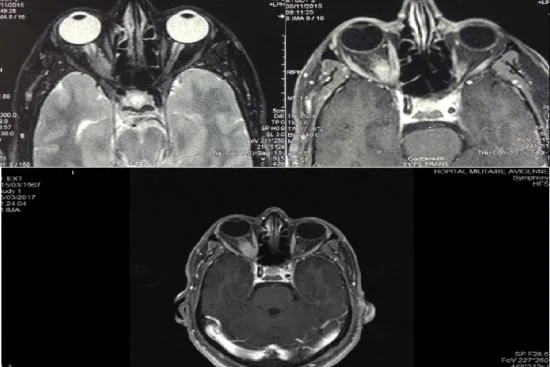
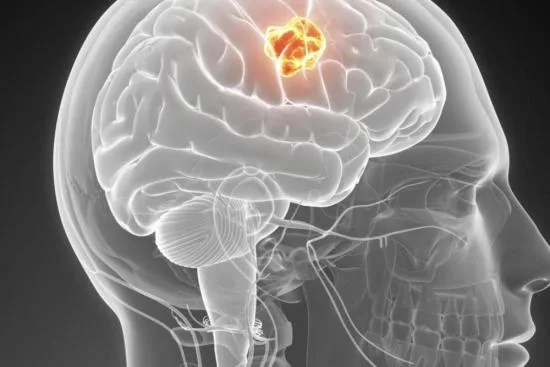
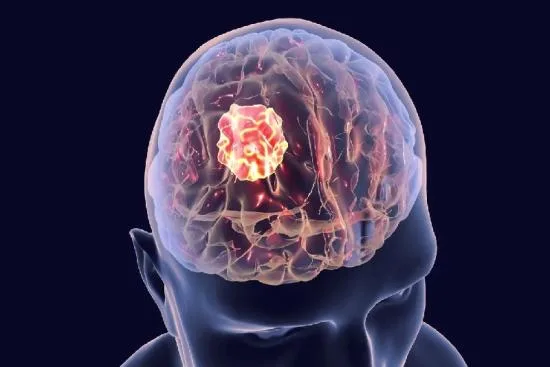
Meningioma treatment depends entirely on your tumor's size, location, and growth rate, with options ranging from monitoring to surgery or radiation therapy. Most meningiomas are benign, slow-growing tumors originating in the meninges, the protective membrane layers surrounding your brain and spinal cord. Whether you've discovered a 1cm growth or a larger 4cm to 6cm tumor during imaging, your specific diagnosis will guide whether active intervention or careful observation is appropriate.
Many patients find their meningioma unexpectedly on imaging scans performed for other reasons, often with no symptoms present. When treatment becomes necessary, the clinics partnered with Turquie Santé offer personalized options including observation with regular imaging, radiation therapy, or minimally invasive surgical techniques tailored to your tumor's characteristics. Whether your meningioma affects the spinal cord or is located within the brain itself, your medical team will determine the approach that best serves your individual situation.
Moving from uncertainty to a clear, confidence-building treatment plan starts with understanding your meningioma's individual profile and available options.
Why choose Meningioma Treatment with Turquie Santé ?
Expert surgeons and internationally certified hospitals
Substantial savings compared with European prices
Medical stay organized from A to Z
Transparent pricing, itemised before your stay
Free assistance
All about your Meningioma Treatment in Turkey
Benefits
Payment
Highly qualified professionals in accredited institutions.
We assist you before, during, and after your trip
Book with full transparency, no hidden fees or commissions.
You will pay your clinic directly using these available methods:
Honestly, it was an amazing experience for me — everything was perfect from the moment I arrived. The care was excellent; I have nothing negative to say. If I were to have another surgery, I would choose Turquie Santé without hesitation.
Bálint
12/07/2026
An excellent experience from start to finish. From the very first moment we felt accompanied and cared for in every detail, as if we were the protagonists of a well-organized film where nothing was left to chance. I write this review in detail because I believe anyone considering it deserves to know not only that everything went well, but why.
COORDINATION: From the beginning Emily coordinated everything for us—always attentive, approachable, and available for any question. In addition, throughout the process we had an online assistant who guided us continuously. We had all the necessary information at our disposal, both to find our way and for our comfort. At no point did we feel lost.
TRANSFERS: Impeccable. We never had to wait even once. The quality and treatment were exceptional; the transfer vehicle itself was on the level of a luxury hotel. Transfers to follow-up appointments were also always punctual and in clean vehicles.
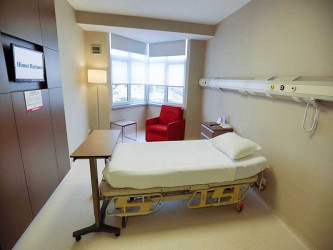
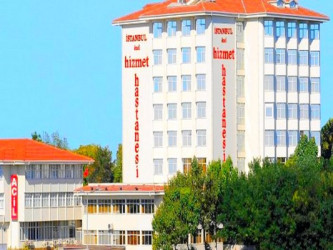
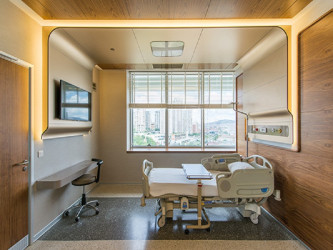
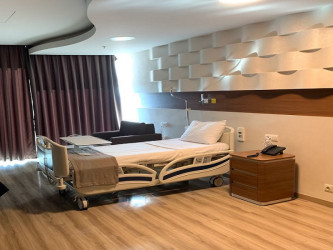
THE HOSPITAL: A modern, attractive building with top-level staff and equipment. The room was comparable to a luxury hotel. The stay includes full board, with three substantial meals a day for both the patient and the companion. The hospital even has its own café.
THE PROCESS: We spent 3 nights in the hospital (plus the night of arrival, since we landed after 8 p.m.). That first night they carried out all the preparatory tests without delay. The next morning we met the doctor and everything proceeded as planned, precisely on time. The doctor worked excellently and was very kind. Recovery was quick, painless, and without complications.
OUR LOCAL ASSISTANT, ISMAEL: He deserves a special mention. He helped us with everything and was always available when we needed him. It makes a real difference to feel that someone is looking out for you at all times.
THE SURROUNDINGS: Around the hospital there are shops, a pharmacy, and green areas with parks where the companion can relax. If desired, you can also get to know some of the local culture.
THE HOTEL: After the hospital we were moved for 3 nights to a lovely, quiet, and clean 4-star hotel, ideal for the recovery period. The food was delicious, varied, and of good quality. Less than 500 meters away there were shops and restaurants, so everything needed was within easy reach.
THE CARE: Everyone was very kind, including people on the street. Before we left they gave us all the information about the medication, and contact remains ongoing: if you have any doubts, they help immediately.
In short: professionalism, warmth, and impeccable organization at every stage. Thanks to Emily and the whole team at Turquie Santé. I recommend them wholeheartedly.
InTHE Era
28/06/2026
This is the best Hospital for all your needs, and it exceeds my expectations. Bravo to the entire team that made this trip for me seamless. From the driver to the Doctor, everyone was extremely welcoming and managed my condition well. All were well prepared despite certain hiccups along the way, but they rectified everything swiftly. No other complaints. Thank you so much, and I can't wait to come back for my review soon.
Achraf Noufile
17/06/2026
Very satisfied, thank you for your professionalism.
Tevaearai Klint
06/05/2026
Hello,
I had a nasal reconstruction and I'm torn between being "happy with the result" and "disappointed with the result" because, aesthetically, the nose looks good but when I touch it a piece of bone hasn't fully integrated — it cracks and you can feel it move when I touch my nose. Also, around the nostrils the nose is very hard because the doctor added cartilage horizontally without asking me.
I therefore have to have another surgery to remove that cartilage and reinforce the part that keeps cracking.
Carly PETIT
20/04/2026
Very good care. Very well organized, no unpleasant surprises. I am very satisfied.
Shanel Lebegge
17/04/2026
Hospital!!!! LOKMAN HEKIM ISTANBUL!!! AVOID!!! I took my direct return flight and left that hospital — they did a blood draw. They paralyzed my hand. Terrible reception, they only talk about money and they treat you like crap. I went back home, and don't anyone try to tell me otherwise, because I have proof: my hand was all blue and paralyzed from a simple blood draw. My cousin and I bailed!! Don't make the mistake of going there! We arrived; I was supposed to be fasting. I didn't even get a drop of water, and when I asked, they grumbled!!!
Edwon Freitas
16/01/2026
I’m very grateful from start to finish communication and for the care I received during my operation. The medical team was professional, kind, and reassuring throughout the entire process. Everything was clearly explained, and my recovery has been going well. Thank you for the excellent care.
Elisabeth OGRODZKI
14/11/2025
I had an exceptional experience with Turquie-santé for my eye surgery in Turkey. They offer very competitive prices, and I would especially like to thank Nassim. His professionalism and availability were remarkable, and he brilliantly corrected the mistakes of his predecessor. I highly recommend their services!
jolie mbuyi
14/11/2025
I would like to thank all the staff at this hospital for their excellent welcome and impeccable care. A special thank you to Emily, who demonstrated great efficiency, genuine understanding, and immense availability. She listened attentively and supported us from beginning to end; she is a truly lovely woman. Don't hesitate to trust them; you will be in good hands!
Kevin Amrani
11/11/2025
Go there with your eyes closed, stop listening to what they tell you in France.
The service is so impeccable, not a single misstep, from the airport pick-up upon arrival in Turkey to the return to the airport after the operation.
The medical staff is very kind, the surgeon is extremely competent, a brand new 4-star hotel with a Turkish breakfast. A 24-hour translator, a rate two and a half times cheaper than in France... I'll stop there, no need to go any further.
This content complies with the editorial policy of Turquie Santé. It was written by Emily White, Head of the Editorial Team, who has over 11 years of experience in scientific research and clinic management in Turkey. She ensures the reliability of medical information while making complex data accessible to everyone.
Main specialty : Pediatric Hematology and OncologyYears of experience : More than 20 years.Key training : Hacettepe University Faculty of Medicine, Dr. Sami Ulus Children’s Hospital, Hacettepe University – Pediatric Hematology.Languages spoken : English, ... Read more
Mehmet Akif Öztürk
Graduated in medicine from Marmara University (2003),specializing in internal medicine (2009) and medical oncology at Cerrahpaşa University (2012).
Mandatory service at Hatay Antakya State Hospital (2012-2014),became assistant professor in 2015 and ... Read more
Main Specialty : Oncology Years of Experience : 19 years. Notable Training : Dicle University, Faculty of Medicine 2007; Associate Professor of Medical Oncology 2023 Mastered Techniques : Immunotherapy; Hormonal Therapy; Chemotherapy Notable Achievements : ... Read more
Main specialty : Oncology Years of experience : 36 years. Significant training : Bachelor's degree from Ataturk University, specialization in Internal Medicine from Selcuk University, minor specialization in Medical Oncology from Istanbul University. Mastered ... Read more
Prof. Dr. Şebnem İZMİR GÜNER
Main specialty: Clinical and oncological hematology Years of experience: Over 20 years in hematology and oncology Notable training: Medicine at Istanbul University; specialization in internal medicine and hematology at Istanbul University Cerrahpaşa; ... Read more
Main Specialty : Medical Oncology and Internal Medicine SpecialistYears of Experience : 38 years.Notable Education : Hacettepe University (Faculty of Medicine),Ankara Training Hospital (Internal Medicine Specialization),Ankara University (Associate ... Read more
Main Specialty : Oncology
Years of Experience : 24 years.
Notable Education : İstanbul University, İstanbul Medical Faculty, Bachelor’s Degree (1993-1999); İstanbul University Oncology Institute, Assoc. Prof. (2012-.....); Stereotactic Radiotherapy, ... Read more
Prof. Dr. Duygu Derin
Main Specialty : Oncology Years of Experience : Over 20 years in medical oncology. Notable Trainings : Graduation from Istanbul University, Istanbul Faculty of Medicine in 1993; Specialization in Internal Diseases at Taksim Training and Research Hospital in ... Read more
Main Specialty : General SurgeryMastered Techniques : General Surgery, Robotic Surgery, Oncologic Surgery, HIPEC (Hyperthermic Intraperitoneal Chemotherapy),Advanced Laparoscopic SurgeryNotable Achievements : Patient-centered approach, innovative surgical ... Read more
Assoc.Prof.Yusuf AÇIKGÖZ
Main Specialty : Medical Oncology Years of Experience : 9 years. Notable Training : Faculty of Medicine, Internal Medicine, Medical Oncology Mastered Techniques : Clinical Trials, Biostatistics, Immuno-Oncology, Good Clinical Practices Notable Achievements : ... Read more
4.7 / 5
(1 Reviews)
You have consulted 7 / 16 Hospitals
You don't pay for our services
We provide free consulting assistance in the framework of partnership agreements with clinics. You only pay in the hospital where you received care.
Recognizing meningioma symptoms: What you should know
Early-stage meningiomas often expand without fanfare. Patients discover them accidentally, during imaging for head trauma, while investigating chronic headaches, or through routine screening unrelated to any neurological concern. Then the picture changes. As the tumor grows larger, it begins pressing on delicate brain tissue and cranial nerves nearby. Noticeable shifts follow.
Two critical factors shape what you actually experience:
Location: Which brain or spinal region houses the tumor
Size: How much pressure it exerts on surrounding structures
Most tumors expand gradually, sometimes across months, occasionally spanning years, making early detection remarkably challenging. Symptoms often arrive so gradually that they blend seamlessly with everyday fatigue, stress, or the natural aging process. Watch for:
Persistent headaches: A distinctly sharper or different pattern from your typical migraines, growing worse over several weeks
Vision changes: Blurred sight, seeing double, or a narrowing of your side vision
Hearing shifts: Progressive hearing loss or one-sided ringing sensations (tinnitus)
Cognitive and mood effects: Difficulty retaining information, trouble focusing at work, or unexplained emotional fluctuations
Anosmia: Sudden or gradual loss of your sense of smell
Weakness or numbness: Affecting one arm, one leg, or one entire side of your body
First-time seizures: A convulsion in someone with no previous history of epilepsy
Red flags requiring immediate evaluation: A sudden, severe shift in symptoms, rapid vision deterioration, acute weakness, or a new seizure warrant urgent emergency assessment.
The majority of these symptoms have benign origins. However, when they persist or feel concerning, specialist consultation becomes essential. Neurologists and neurosurgeons excel at distinguishing routine conditions from genuine pathology, a distinction with real consequences. Turquie Santé connects patients with Turkey's premier neuro-oncology centers, whose diagnostic experts perform thorough evaluations to confirm whether symptoms reflect a meningioma or another condition entirely, then outline personalized treatment pathways tailored to your specific presentation.
Understanding meningioma causes and who faces higher risk
Meningiomas account for roughly 30% of all primary intracranial tumors, making them among the most frequently diagnosed brain masses. No single culprit explains every case. Instead, medical research has identified several documented risk factors that measurably increase likelihood.
Who receives a diagnosis?
Certain demographic groups show notably higher incidence patterns:
Middle age and beyond: Risk escalates steadily with each passing decade
Female patients predominantly: Women outnumber men by a substantial margin, suggesting hormonal influence plays a meaningful role
The hormonal mechanism remains under investigation. Yet this female-predominant pattern appears consistently across every major patient registry worldwide.
Genetic considerations and inherited conditions
Individuals carrying neurofibromatosis type 2 (NF2), a rare genetic disorder passed through families, face significantly elevated risk; many develop multiple tumors throughout their nervous system over time. Outside this genetic syndrome? Most meningiomas arise spontaneously. They do not run in families. This distinction matters for peace of mind and planning ongoing surveillance.
Previous radiation history
Ionizing radiation represents a well-established contributing factor. Children who received head radiation for earlier malignancies show meaningfully higher meningioma risk during adulthood, often decades after initial treatment concluded.
Moving forward
Most newly diagnosed patients report no identifiable triggering factor. Understanding your personal risk profile shapes surveillance decisions and informs medical conversations. Specialist evaluation provides that crucial clarity, enabling timely intervention whenever needed.
Meningioma diagnosis: Essential tests and what to expect
Meningiomas display wildly variable growth patterns. Some remain unchanged for years on end. Accidental discovery occurs frequently, a headache workup, follow-up imaging after concussion, or routine scanning for completely unrelated reasons. When symptoms do emerge, they feel vague and easily confused with stress, fatigue, or aging itself. Obtaining an accurate diagnosis becomes absolutely essential. Without clarity, uncertainty dominates.
The diagnostic pathway: How specialists confirm
Three fundamental questions guide the evaluation: Is a tumor present? Where is it located? What comes next?
Neurological examination and clinical history
Your physician reviews when symptoms began, your medical past, and performs direct testing, visual acuity assessments, muscle strength evaluation, reflex checks, memory screening. Simple. Revealing.
Advanced brain imaging
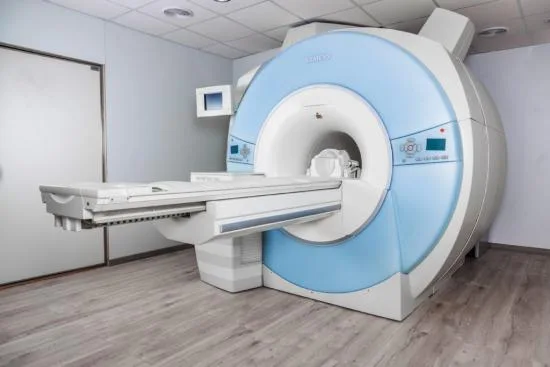
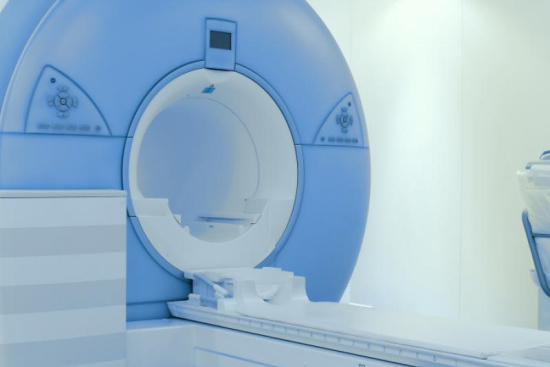
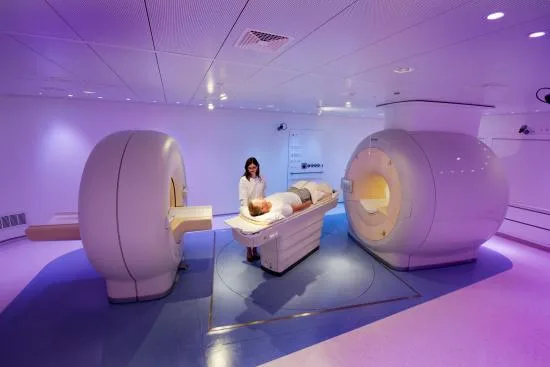
Different imaging technologies offer distinct advantages. MRI stands as the diagnostic gold standard, providing superior detail on tumor dimensions, exact anatomical location, and proximity to sensitive brain regions, often enhanced by contrast dye injection. CT imaging excels at spotting bone changes and structural alterations surrounding the tumor. PET scans? Reserved for specific situations where tumor biology requires characterization.
Tissue sampling when needed
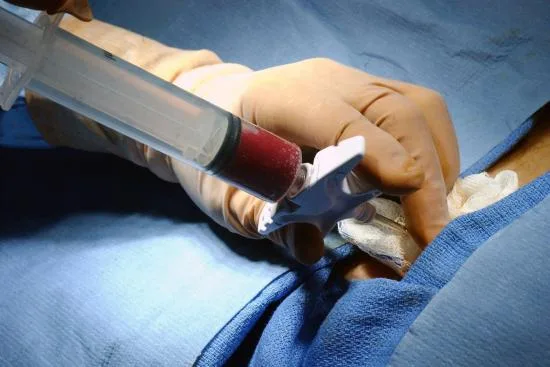
Not every case requires biopsy before starting therapy. When imaging results remain ambiguous or conservative, non-surgical observation seems preferable initially, stereotactic biopsy becomes the precision procedure, a guided needle retrieves microscopic tissue safely. Laboratory analysis confirms the diagnosis and assigns tumor grade, information that predicts future behavior.
Specialized follow-up testing
Depending on where the tumor sits, additional assessments might include detailed perimetry if optic nerve compression appears likely, neuropsychological testing evaluating memory and thinking skills, or electroencephalography (EEG) when seizure risk seems elevated. Each test sharpens the overall picture.
Precision diagnosis and treatment impact
Accurate identification determines optimal strategy. Observation. Surgery. Radiation. Avoiding unnecessary, aggressive interventions. The implications are significant.
Struggling with unclear imaging or lingering neurological symptoms? Turquie Santé's partner neurosurgeons throughout Turkey deliver meticulous diagnostic workups, connecting you with specialists who convert diagnostic uncertainty into concrete, actionable information you can trust.
Treatment approaches for meningioma: Options available in Turkey
Meningioma management hinges on multiple considerations: tumor size, location, expansion speed, symptom presence. Surgery represents the primary therapeutic option, though other valid approaches exist depending on clinical circumstances.
Treatment typically spans three broad strategies, surveillance imaging, surgical removal through microsurgery, and radiation therapy, used independently or combined for optimal control.
Observation with serial imaging
Small, benign-appearing masses that cause no neurological symptoms frequently require no immediate surgery. Specialists recommend periodic MRI surveillance documenting growth pace over time. This sidesteps operative risk when tumor stability suggests dormancy ahead. Patience generates data. Data informs choices.
Surgical tumor removal: The definitive approach
Accelerating growth. Emerging neurological decline. Location threatening future deterioration. Surgery becomes optimal. Craniotomy permits direct surgical access. The neurosurgeon removes tumor tissue under high magnification, maximizing precision while minimizing injury to surrounding healthy brain.
Strategically located tumors
Certain tumors nestle dangerously near critical brain zones or major venous structures like the superior sagittal sinus. Complete removal carries substantial neurological risk. Partial resection combined with careful monitoring often represents the safer approach.
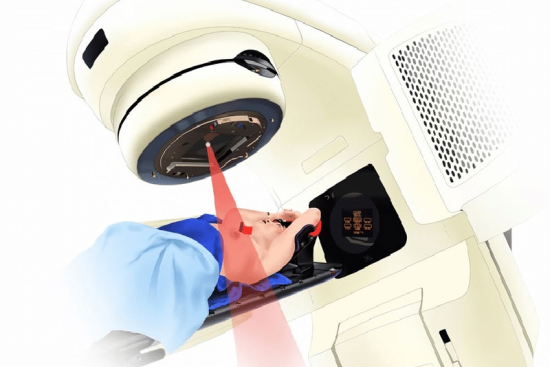
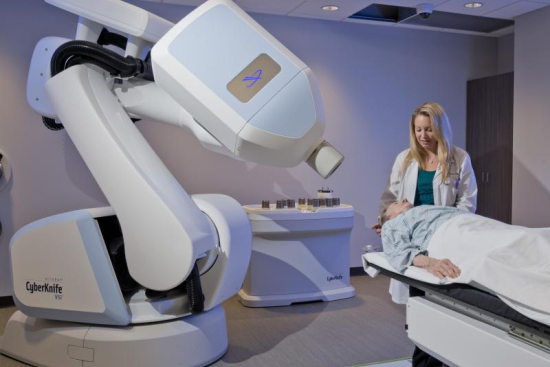
Stereotactic radiosurgery: Gamma Knife, CyberKnife systems concentrate radiation precisely. Normal tissue sparing occurs. Years of disease suppression typically follow.
Targeted drug therapy: Chemotherapy and molecularly targeted medications remain exceptions, deployed exclusively in atypical or rapidly progressing variants.
Your personalized treatment plan
Every patient deserves a customized strategy. Turquie Santé's neuro-oncology partners examine your case comprehensively, recommending the safest, most effective long-term control approach based on current evidence and your unique clinical profile.
Meningioma prognosis: Cure rates and long-term outcomes
Cure potential depends on tumor classification, disease stage, treatment quality, your age, overall health. Multiple variables influence the final outcome.
Benign meningiomas (Grade I)
The majority of cases fall into this category, benign, slow-growing lesions with excellent long-term prospects. Complete surgical removal typically provides durable control. Many patients need only one procedure and no additional interventions, returning to normal activities with periodic follow-up scans confirming continued stability. Early identification combined with contemporary surgical precision allows tumor elimination while preserving neural function. Success rates reflect this.
Atypical and malignant variants (Grades II and III)
These rarer, aggressive forms expand faster and recur more readily. Surgery combined with radiation therapy generally optimizes outcomes. Prognosis appears more cautious than benign disease, though recent improvements in imaging sophistication, neurosurgical techniques, and radiation precision continue improving survival statistics even in challenging presentations. Progress is measurable.
Late transformation to aggressive disease
Benign tumors occasionally become aggressive. Infrequently. Particularly in recurrent disease or after prolonged growth spanning decades. Regular surveillance detects these shifts when therapeutic options remain most effective.
Realistic expectations for patients
Meningioma ranks among the most manageable intracranial tumors available, especially when caught early and managed by experienced surgical teams. Individualized treatment approaches paired with structured follow-up deliver durable disease control and strong quality of life across the full disease spectrum in the vast majority of patients. This remains the achievable reality.
Reviewed by Doç. Dr. Mustafa Emre ERCİN
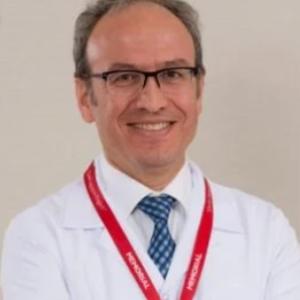
Dr. Mustafa Emre Ercin is an Associate Professor of pathology, an expert in cellular analysis and tissue diagnosis at LHU Ankara. A key link between research and clinical practice, he validates the terminological and diagnostic accuracy of our content, ensuring laboratory analysis explanations are scientifically exact.